
There are times when architecture transcends form, when a building becomes a séance between the living and the forgotten. In the past decade, a new movement has emerged from the shadows. Critics have named it Macabre Modernism, a design philosophy that rejects the sterile optimism of the contemporary in favor of mystery, material honesty, and the eternal allure of fear.
Its practitioners are not content to design for comfort or clarity. They design for obsession. Their work demands silence, reverence, and perhaps even a little fear. Each structure carries the weight of its creator’s myth, as if carved from legend itself. Hover Architecture is proud to present five of the most influential figures shaping this haunted new era.
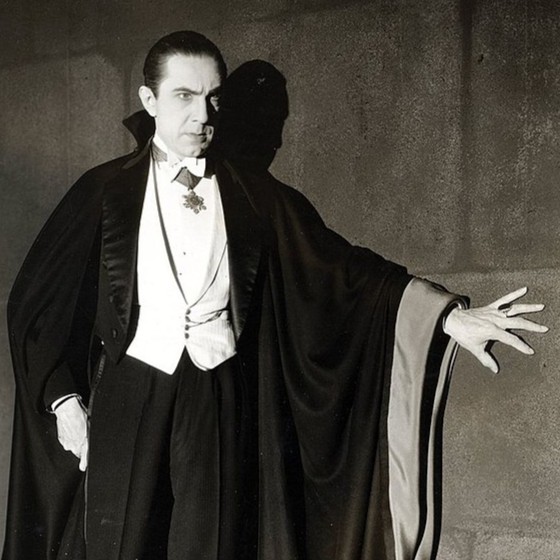
Count Dracula: The Carpathian Château
Location: Transylvania Highlands
Style: Eternal Minimalism
No figure has defined the conversation around nocturnal architecture more than Count Dracula. With a portfolio that spans six centuries, the Count has achieved what few living architects can claim: total authorship of atmosphere. His work is not designed for the eye but for the pulse.
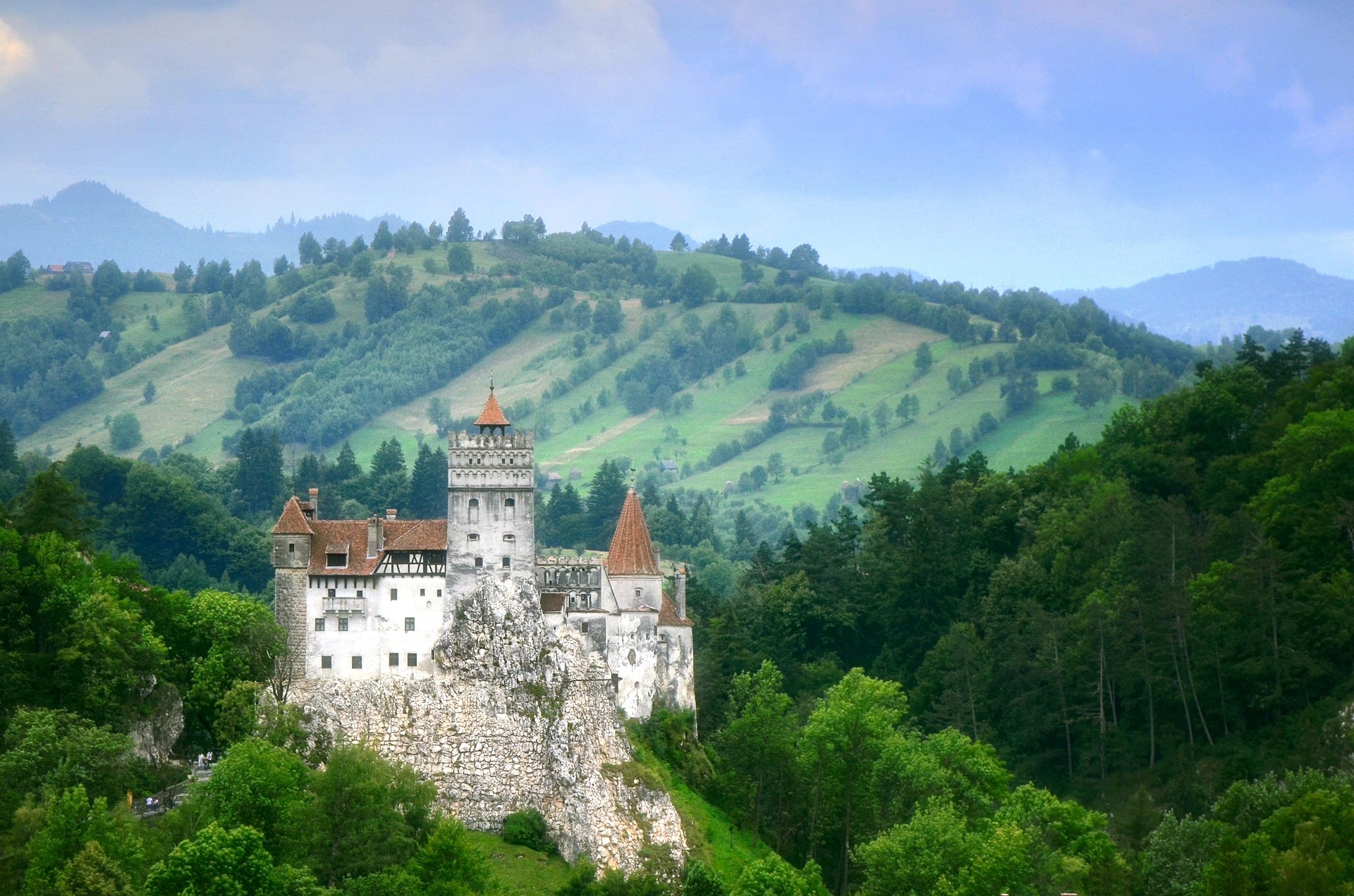
The Carpathian Château represents the culmination of his “Eternal Shadow” philosophy. Rising from the cliffs of the Transylvanian Highlands, the Château blends fortified Gothic geometry with a restrained minimalism that critics have described as “brutally monastic.” The façade, hewn entirely from mountain stone, absorbs sunlight rather than reflecting it. The result is a surface that appears to deepen with each passing hour.
Inside, the interplay of light and darkness becomes almost sacred. Candlelight pools in groined vaults, guided by recesses that direct its glow with surgical precision. The Count calls this “curated obscurity,” a concept that prioritizes mystery over visibility. His floor plan rejects symmetry, drawing guests through a processional journey that is equal parts pilgrimage and descent.
“The modern obsession with transparency is vulgar,” Dracula remarks coolly. “True beauty resides in what is withheld.”
Critics at The European Review of Architecture hailed The Carpathian Château as “a masterclass in controlled unease,” while one noted that “its silence is its greatest ornament.” The project recently received the Order of Perpetual Design, awarded by the Transylvanian Institute for Architectural Immortality.

Dr. Frankenstein: The Stitch Complex
Location: Ingolstadt, Germany
Style: Reconstructed Brutalism
If Dracula’s work is a meditation on shadow, Dr. Victor Frankenstein’s is a confrontation with the corpse of modernity itself. His practice, Reanimate Design Group, has become synonymous with radical reconstruction. For Frankenstein, architecture is not built but reborn.
The Stitch Complex, located in an abandoned industrial district of Ingolstadt, embodies this ethos. Once a derelict power plant, the site has been transformed into a hybrid campus of laboratories, galleries, and residencies. Every beam, panel, and pipe has been salvaged from elsewhere, merged into a whole that feels both coherent and unstable.

The materials are unapologetically imperfect. Weld lines are exposed, seams celebrated. Cranes and scaffolding have been preserved as permanent fixtures, creating a living palimpsest of construction. At night, the structure hums faintly as if charged by unseen currents.
“I am interested in the moment a building realizes it is alive,” Frankenstein explains. “That terrible, beautiful moment of awakening.”
Visitors describe the experience as visceral. Corridors thrum beneath one’s feet, lights flicker at unpredictable intervals, and the faint scent of ozone lingers in the air. Critics have labeled the work “existentially provocative,” while the International Journal of Adaptive Architecture called it “a triumph of reclamation and madness.”
Frankenstein’s approach has redefined adaptive reuse. As one critic put it, “Where others see ruin, he sees potential resurrection.”

Freddy Krueger: The REM Tower
Location: Springwood, Ohio
Style: Subconscious Urbanism
Few architects understand psychological space like Freddy Krueger. His REM Tower in downtown Springwood is a 40-story provocation, described by critics as “the first building designed to haunt its occupants.”
Krueger’s concept of “subconscious urbanism” treats architecture as an extension of the mind. Corridors lengthen imperceptibly, staircases tilt by degrees too small to measure, and windows distort external light to resemble a perpetual twilight. The result is a structure that feels sentient, aware of those who enter.
The tower’s interiors are tactile and unsettling. Brass railings bear faint grooves that catch the skin. Upholstery shifts from crimson to rust as one moves through the space. Ceiling fixtures emit a faint mechanical ticking, timed to mimic the rhythms of sleep.

“I wanted to build a space that refuses to let you rest,” Krueger explains. “A structure that dreams even when you cannot.”
The REM Tower has polarized the architectural world. Admirers call it groundbreaking. Others describe it as “deeply irresponsible.” The Institute of Experiential Design awarded Krueger its Visionary Disturbance Prize for “advancing architecture beyond the limits of sanity.” Krueger’s only comment: “Nightmares are underrated.”

Ghostface: The Reflection Pavilion
Location: Woodsboro, California
Style: Postmodern Paranoia
Among the Architects featured in our Macabre Modern spotlight, none embody contemporary spectacle like Ghostface. Part artist, part provocateur, Ghostface has become a cultural phenomenon. His latest work, The Reflection Pavilion, is a meditation on fear, fame, and the performative nature of violence.
Located on the suburban fringe of Woodsboro, the Pavilion operates simultaneously as an art museum, a community center, and what the designer calls “an architectural scream.” Its sharp, mirrored façade reflects the viewer from every angle, creating a constant sense of being watched. Visitors are encouraged to navigate the space alone, guided by motion sensors that trigger faint whispers and sudden lights.

“Architecture should make people question their safety,” Ghostface remarks behind his iconic mask. “Only then do they start paying attention.”
Inside, the Pavilion oscillates between familiarity and dread. Domestic elements including a kitchen island, a stairwell, and a suburban porch are replicated with clinical precision, then distorted through reflection and scale. Materials alternate between polished chrome and rough concrete, evoking what Ghostface describes as “the glamour of danger.”
The critical response has been electric. DeScreem California called it “a mirror maze of menace,” while Architectural Inquiry dubbed it “a manifesto for postmodern terror.” At this year’s Contemporary Design Awards, The Reflection Pavilion received the Golden Knife for Experiential Innovation.
Ghostface shrugs at the praise. “People come to architecture for escape,” he says. “I prefer they leave running.”

Dr. Hannibal Lecter: The Chianti Gallery
Location: Florence, Italy
Style: Sensory Architecture
Dr. Hannibal Lecter has long blurred the line between refinement and terror. His Chianti Gallery in Florence is a study in sensory precision, a work of architecture that courts obsession as much as admiration.
From the street, the gallery presents a façade of disciplined classicism. Carrara marble, perfect symmetry, and the faint suggestion of restraint. Yet within, the atmosphere turns primal and unnervingly carnal. Stone walls, leather-wrapped columns, and diffused candlelight transform each gallery into a chamber of heightened perception.
Sound is as carefully curated as sight. Each salon is tuned acoustically to amplify the softest whisper. The building’s scent, a proprietary blend Fava Beans and Chianti, lingers in the air, impossible to forget.

“Architecture must engage the senses fully,” Lecter insists. “Otherwise it is merely shelter.”
Critics have called The Chianti Gallery “an edible cathedral” and “a triumph of decadent restraint.” It received the Prix du Goût Architectural for “the elevation of appetite to art.” When asked about his influences, Lecter smiled politely. “I take inspiration from people,” he said. “They nourish me.”
Taken together, these five visionaries represent the new vanguard of the macabre. They reject the ephemeral in favor of permanence, the decorative in favor of devotion. Their buildings do not simply shelter, they haunt.
In an era obsessed with transparency and light, perhaps there is something refreshing about architects who embrace the shadows. After all, great architecture has always been about confronting the unknown. And who better to lead that conversation than those who have already crossed the line between life and legend?
In their hands, architecture becomes ritual. Fear becomes form.
At Hover Architecture, we salute their vision, though we prefer our clients to remain among the living…