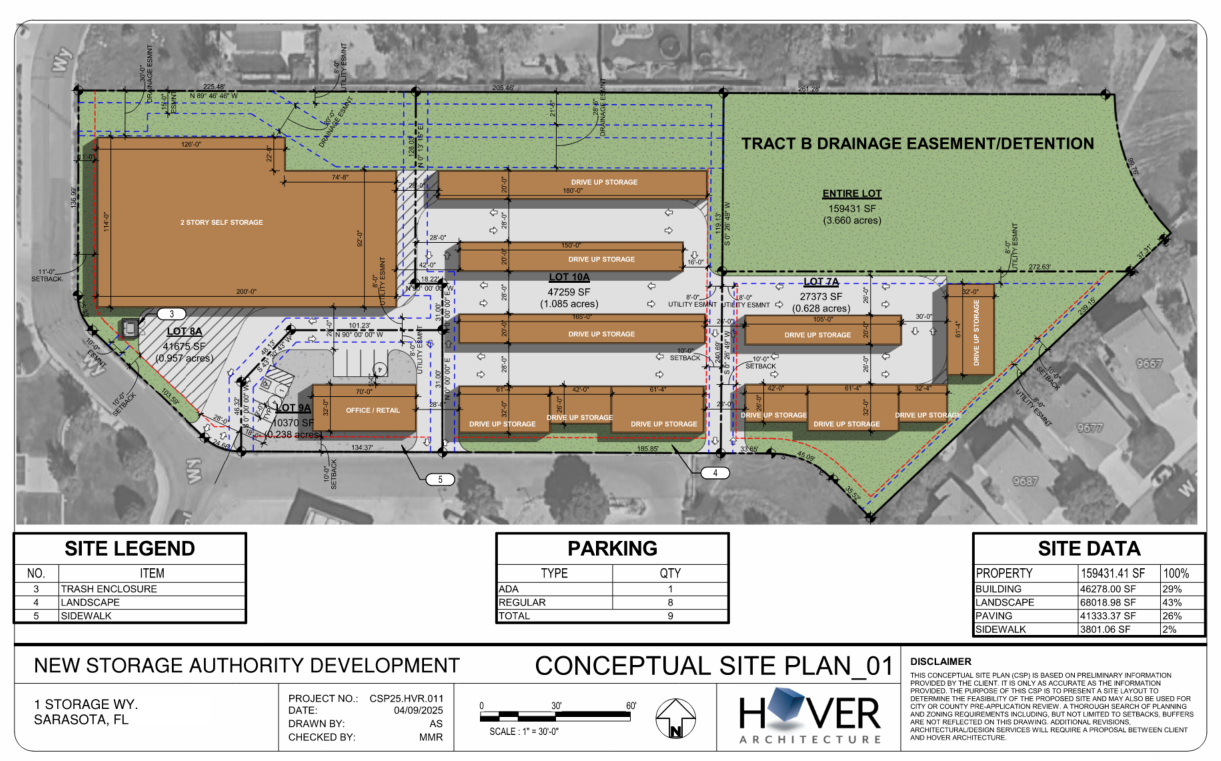
SELF-STORAGE FACILITY DEVELOPMENT
Designed for Efficiency, Visibility, and Long-Term Performance.
Self-storage facilities have become one of the most resilient and widely developed real estate asset classes in the United States. As communities grow and living spaces shrink, demand continues to rise for convenient places to store household items, business inventory, vehicles, and recreational equipment.
At Hover Architecture, we help developers and operators turn storage sites into well-planned facilities that maximize rentable space, support customer access, and create buildings that stand out in competitive markets.
SELF-STORAGE
Designed for Efficiency, Visibility, and Long-Term Performance.
Self-storage facilities have become one of the most resilient and widely developed real estate asset classes in the United States. As communities grow and living spaces shrink, demand continues to rise for convenient places to store household items, business inventory, vehicles, and recreational equipment.
At Hover Architecture, we help developers and operators turn storage sites into well-planned facilities that maximize rentable space, support customer access, and create buildings that stand out in competitive markets.
WHAT MAKES SELF-STORAGE DEVELOPMENT UNIQUE
These facilities operate differently from most commercial developments. Instead of serving employees or daily retail customers, these properties are used by individuals who may visit infrequently but arrive with large vehicles, trailers, or moving trucks. This means site circulation becomes extremely important. Customers must be able to comfortably navigate drive aisles, access loading areas, and maneuver vehicles they may not normally drive, such as rented box trucks. Clear circulation and intuitive layouts help reduce congestion and make the facility easier to use.
Building design also plays a major role in project performance. Many modern facilities include climate-controlled units, interior loading areas, and secure access systems that protect tenants’ belongings while maintaining operational efficiency. Unit mix, hallway layout, and building configuration all influence how well a facility leases over time.
Because of these factors, successful self-storage projects rely on a design team that understands both the real estate side of the business and the operational realities of the facility.

TYPES OF SELF-STORAGE PROJECTS WE SUPPORT
Hover Architecture works with developers across a wide range of formats, each with its own operational and design considerations.
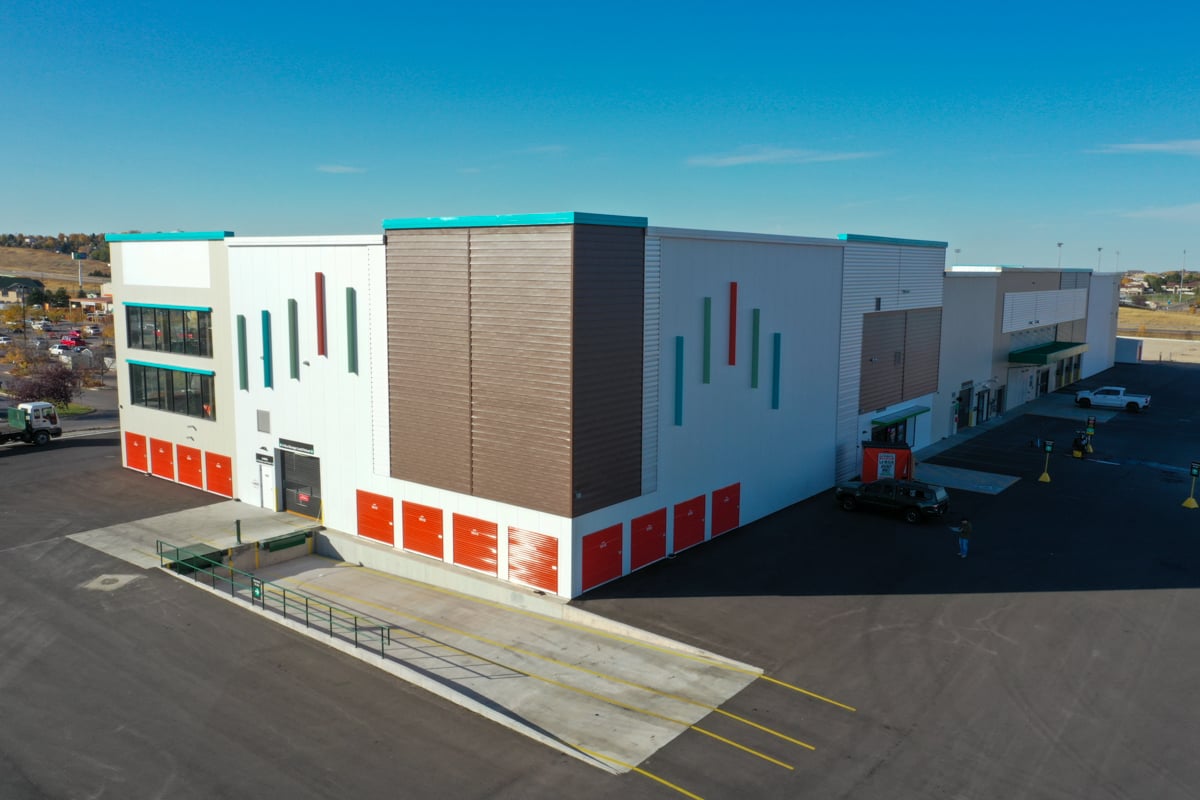
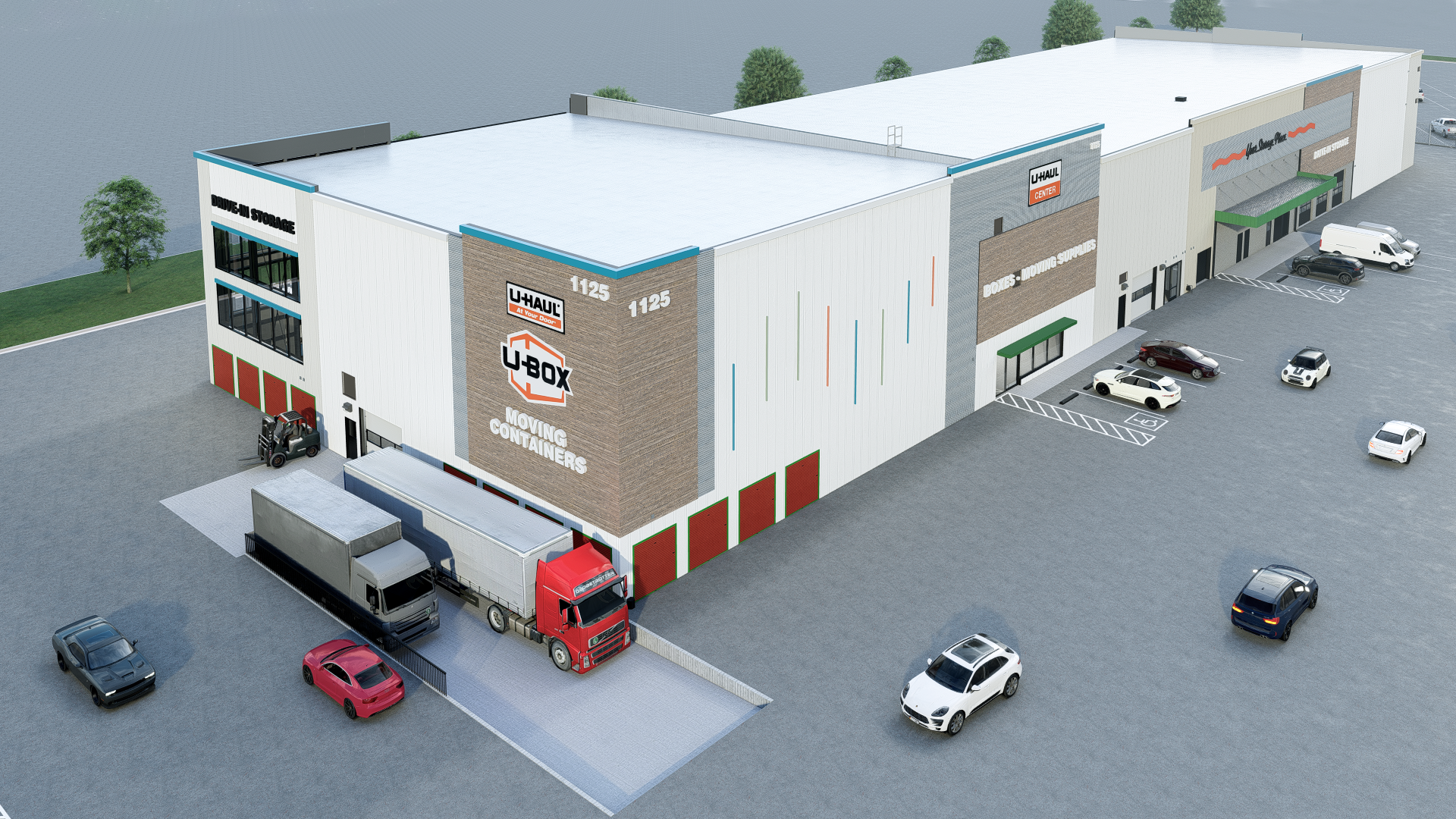
Multi-Story Self-Storage: Facilities designed to maximize rentable square footage on smaller or higher-value sites. These buildings typically include climate-controlled interior units, elevators, and interior loading areas that allow customers to unload vehicles before accessing upper floors.
Drive-Up Self-Storage: Drive-up facilities allow tenants to park directly in front of their storage unit for easy loading and unloading. These projects often feature long rows of ground-level units with wide drive aisles that accommodate trucks, trailers, and moving vehicles.
RV & Boat Storage: Designed for oversized vehicles, RV and boat storage facilities include extra-wide drive aisles, large unit doors, and outdoor, often covered, parking areas. These developments are often located near residential growth areas where homeowners need secure storage for recreational vehicles.
Pod & Container Storage: Pod storage facilities operate around portable storage containers that are delivered to customers or stored on site. These projects require large outdoor storage yards, efficient container circulation, and clear truck access for delivery vehicles.
Hybrid Storage Facilities: Many modern developments combine several of the above storage formats, such as climate-controlled units alongside outdoor vehicle storage or drive-up units. Hybrid sites allow operators to serve a wider range of storage needs while maximizing the value of the property.
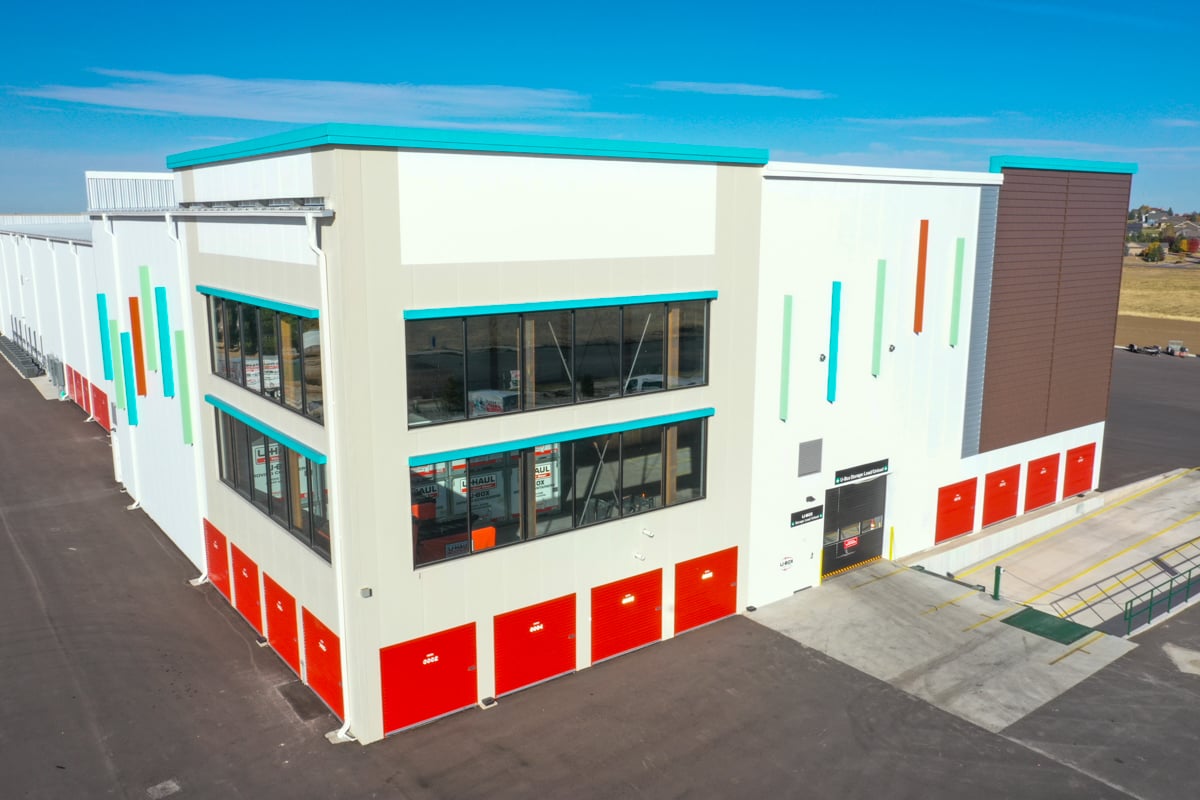
PROJECT SPOTLIGHT: U-HAUL
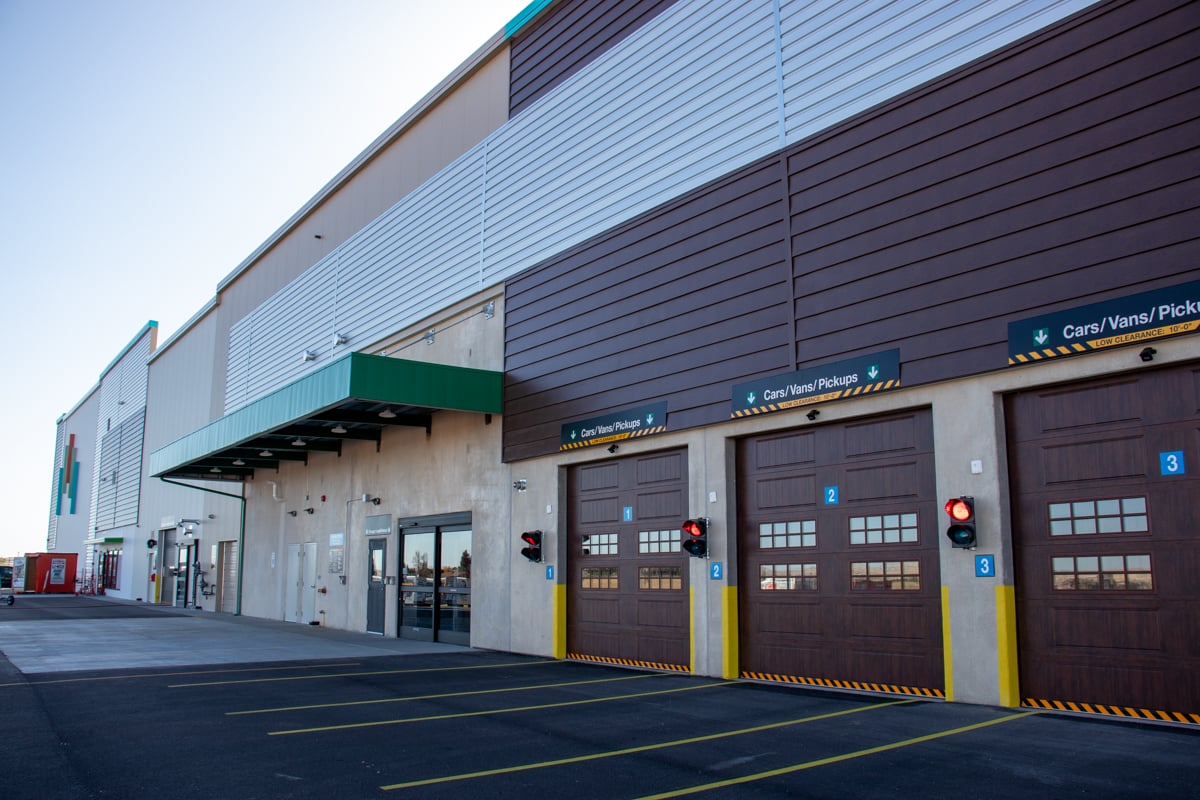
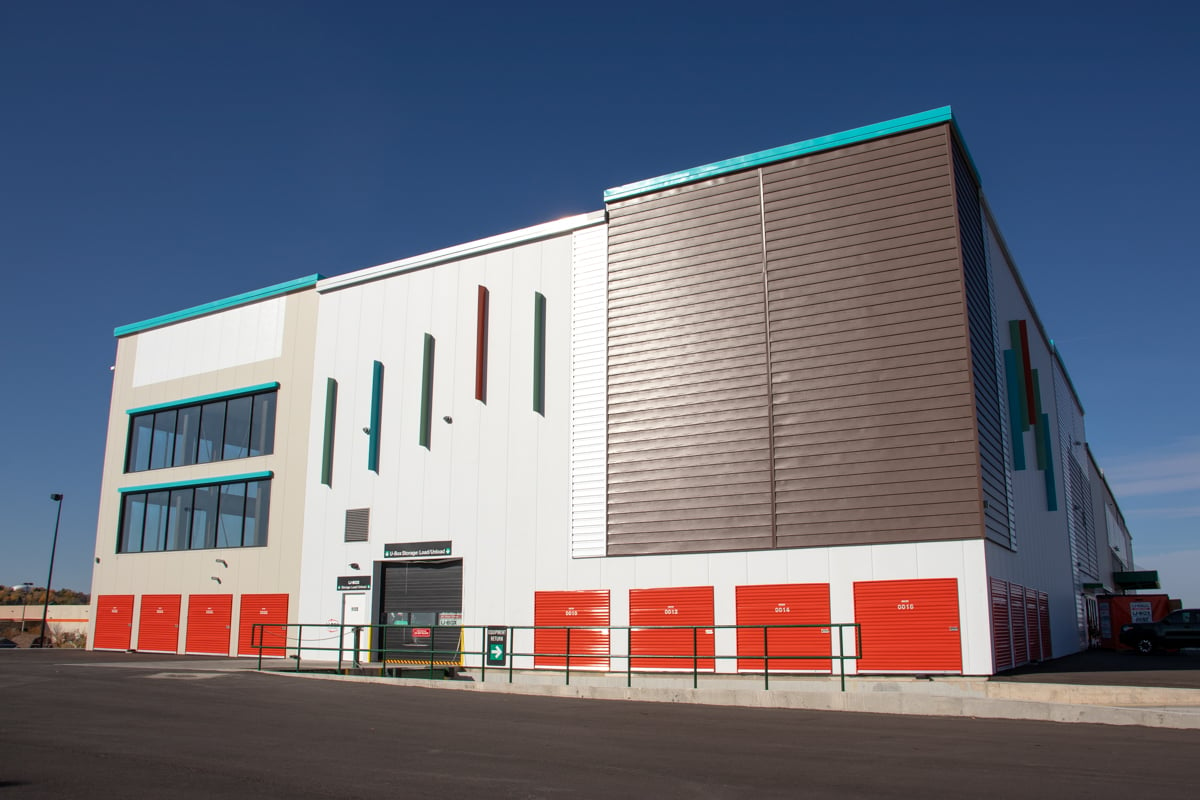
U-Haul is constantly evolving to keep up with current trends in self storage and building design. Not only are things like technology, security, and accessibility at the forefront of U-Haul’s design standards, but the building exterior is becoming a key part of the brand as well. Gone are the days of basic, painted CMU exteriors. We are starting to see far more eye catching elevations utilizing a number of different colors and materials along with impressive site signage from the major players in the storage space, including U-Haul. Working collaboratively, Hover Architecture and U-Haul International began working on a new concept for the Wyoming development that would be at the forefront of design for storage facilities.


PROJECT SPOTLIGHT: U-HAUL
U-Haul is constantly evolving to keep up with current trends in self storage and building design. Not only are things like technology, security, and accessibility at the forefront of U-Haul’s design standards, but the building exterior is becoming a key part of the brand as well. Gone are the days of basic, painted CMU exteriors. We are starting to see far more eye catching elevations utilizing a number of different colors and materials along with impressive site signage from the major players in the storage space, including U-Haul. Working collaboratively, Hover Architecture and U-Haul International began working on a new concept for the Wyoming development that would be at the forefront of design for storage facilities.
EXPERIENCE TO SUPPORT YOUR PROJECT
Self-storage development requires careful coordination between site planning, building efficiency, and long-term operational strategy. Our team works with developers to evaluate sites, plan circulation, and design facilities that maximize rentable space while remaining intuitive for customers to use.
Hover Architecture supports a wide range of clients across the storage industry, including:
- Storage developers expanding regional portfolios
- National and regional storage brands
- Individual operators launching their first facility
- Investment groups entering the storage market
From early site evaluation through building design, we help teams move projects forward with confidence.
LET'S TALK ABOUT YOUR SELF-STORGAE DEVELOPMENT
If you’re considering building a self-storage facility, the first step is understanding how the site can support building layout, circulation, and unit mix.
Hover Architecture offers complimentary conceptual site plans to help developers evaluate their property and explore what’s possible before moving forward with design.
What You’ll Get — Free of Charge
- A professionally designed Conceptual Site Plan tailored to your property
- A one-on-one review with site layout experts (we completed 350+ site plans last year)
- Optimized layout options to suit your preferred unit mix
Request your free site plan and start planning with confidence.