
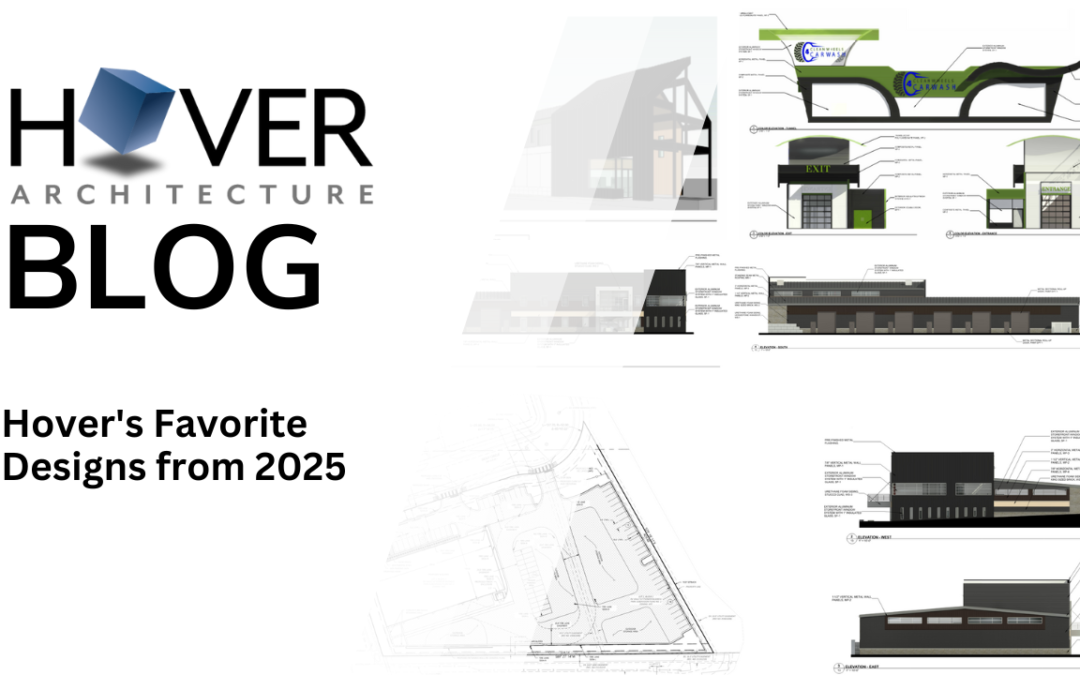
Every year we create hundreds of drawings, sketches, studies, and site plans. Some are fast napkin concepts and some are fully developed layouts with every detail dialed in. Each one teaches us something about the way people build and the way projects move from an idea to a real place. This collection highlights a few designs that stood out to our team. The result is a look at the work that inspired us, challenged us, or simply made us proud to be part of the development process.

Amin Shafaeian
Designer
FAVORITE PROJECT: 4 CLEAN WHEELS

ANDREA MORTON
PROJECT ARCHITECT
FAVORITE PROJECT: 4 CLEAN WHEELS
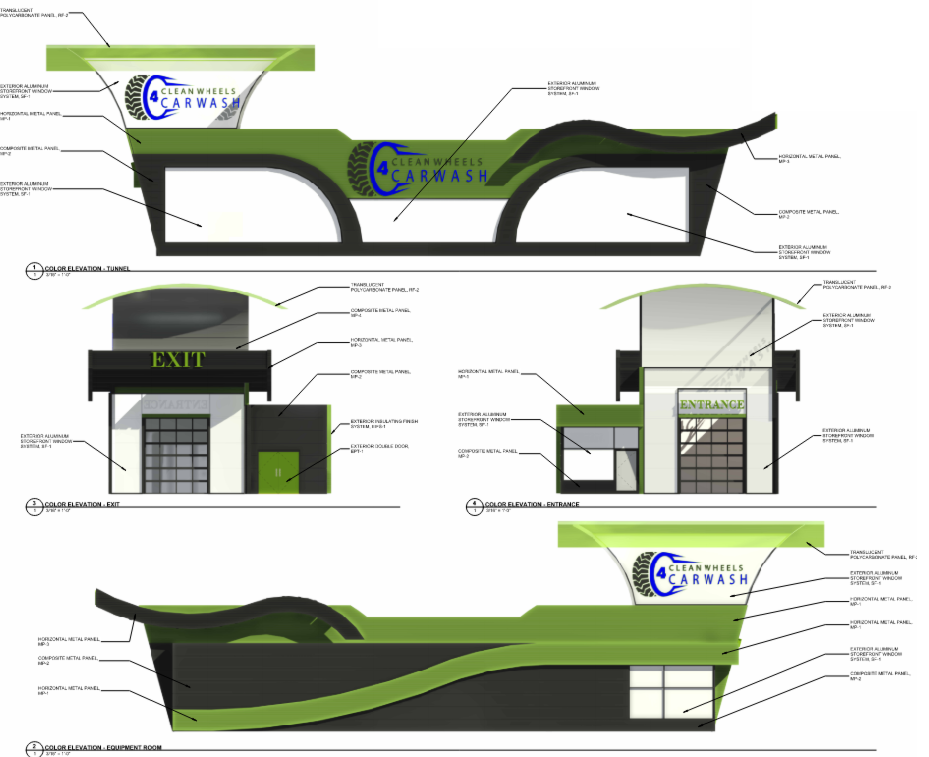
When I look back at the work we tackled in 2025, the project that stands out most is 4 Clean Wheels. It was an ongoing design exploration rather than a neatly wrapped final product, but that is exactly what made it memorable. The client was a true visionary partner, the kind you hope to collaborate with at least once a year because they push you to rethink assumptions and stretch creatively.
My favorite moment arrived during our very first presentation, when the client paused, looked over the drawings and told us we were being too conservative. Designers love hearing that. Our team went back to the studio energized and came back with a bolder, more expressive iteration. He pushed us again and told us he wanted a color palette that could “blind the color blind.” Challenge accepted. It set the tone for a process that felt more like a creative sprint than a traditional review cycle.
There is a small detail that most people may never notice, but it is the one I am most fond of. Our team riffed on the wheel motif in the logo and developed a curving profile along the building that recalls the wheel covers and running boards of a 1930s roadster. It animates an otherwise overlooked wall where customers queue for the POS lane, giving the space a nostalgic spark without feeling thematic or forced.
This project has some qualities of “building as signs” that are eye catching and fun to design. Architects Robert Venturi and Denise Scott Brown put forth a theory that buildings could be categorized as “ducks or decorated sheds”. This is a variation of the idea that “form follows function” or more simply put, the building speaks for itself. How meta would it be to wash your car in a building that evokes (or literally is shaped like) a car?
The biggest lesson this project reinforced is simple. Always give the client one option that feels wild and implausible. Sometimes it becomes the spark that shapes the entire project. And sometimes, like 4 Clean Wheels, it becomes the version everyone ends up loving most.
JEFF LANE
DESIGNER
FAVORITE PROJECT: THE ROCK CARWASH
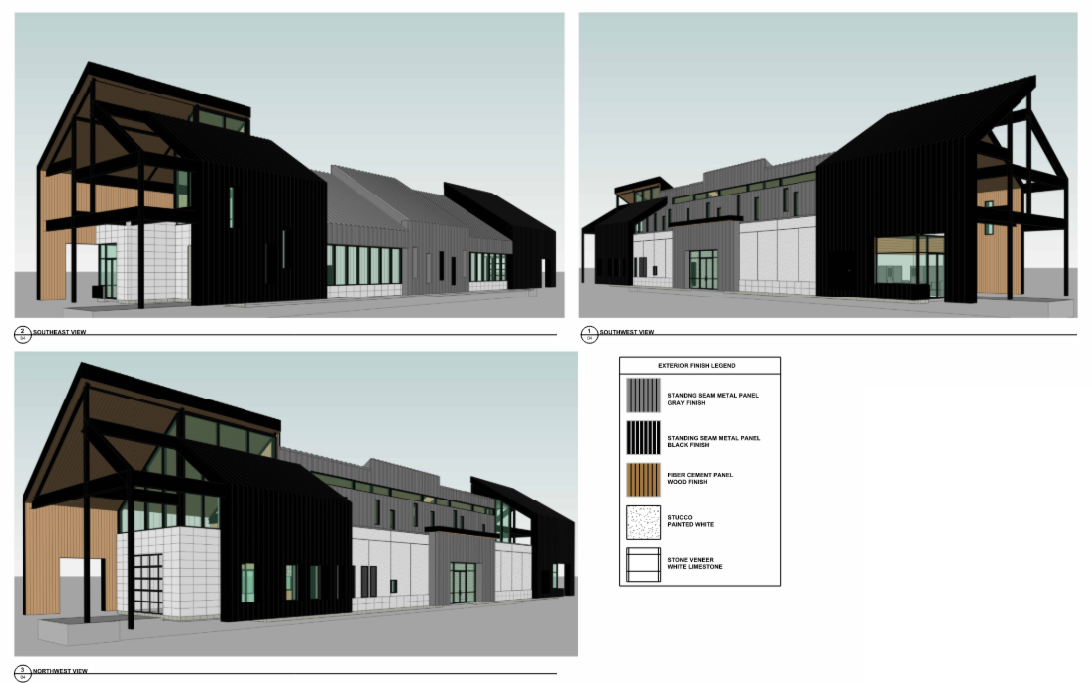
One of my favorite design explorations from 2025 was The Rock Car Wash. It never needed to be fully finalized for me to appreciate what made it special. The project was memorable because it was the first one in the office where the design was almost entirely my own. The client gave us very little direction beyond wanting exposed steel and a minimalist attitude, which meant I had the freedom to research, interpret and shape the concept from the ground up. That level of trust is energizing because it creates room for discovery.
There is a detail in this design that most people may overlook, but it is the part I enjoyed the most. The steel structure and the storefront system intersect at a series of complex joints that create subtle moments of depth and shadow. They are small moves, but they reward people who look closely at how the building is put together. Details like that remind me why I enjoy expressing structure rather than hiding it.
If I could carry anything forward from The Rock, it would be the opportunity to keep pushing this idea of exposing structure as a design element. There is something honest and compelling about allowing the building’s bones to be visible and then shaping the architecture around those components. I would love to continue this specific project to construction, but I am equally excited about applying similar ideas to future work.
This design also shifted how I approach projects with limited client input. Because the direction was so minimal, I had to lean heavily on research and my own creative instincts. It reinforced the value of slowing down, studying precedents and letting the concept emerge from a thoughtful process rather than a long list of requirements. It made me a stronger designer and reminded me that sometimes the best ideas start with a single word like “steel.”
Joseph Erazo
DESIGNER
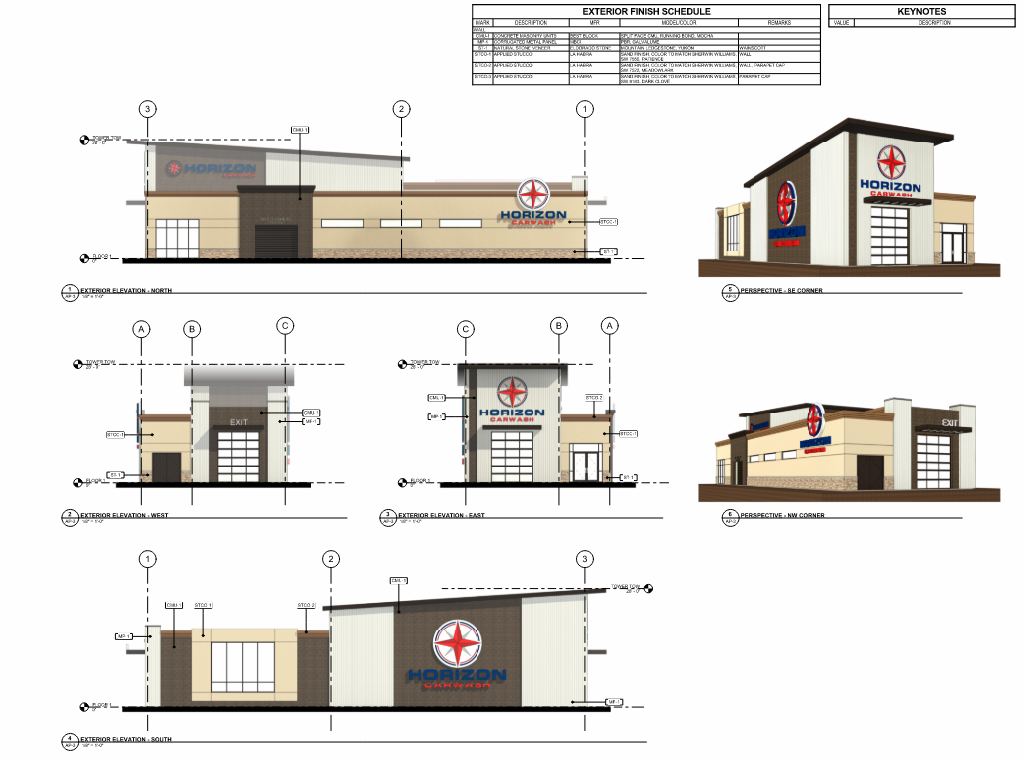
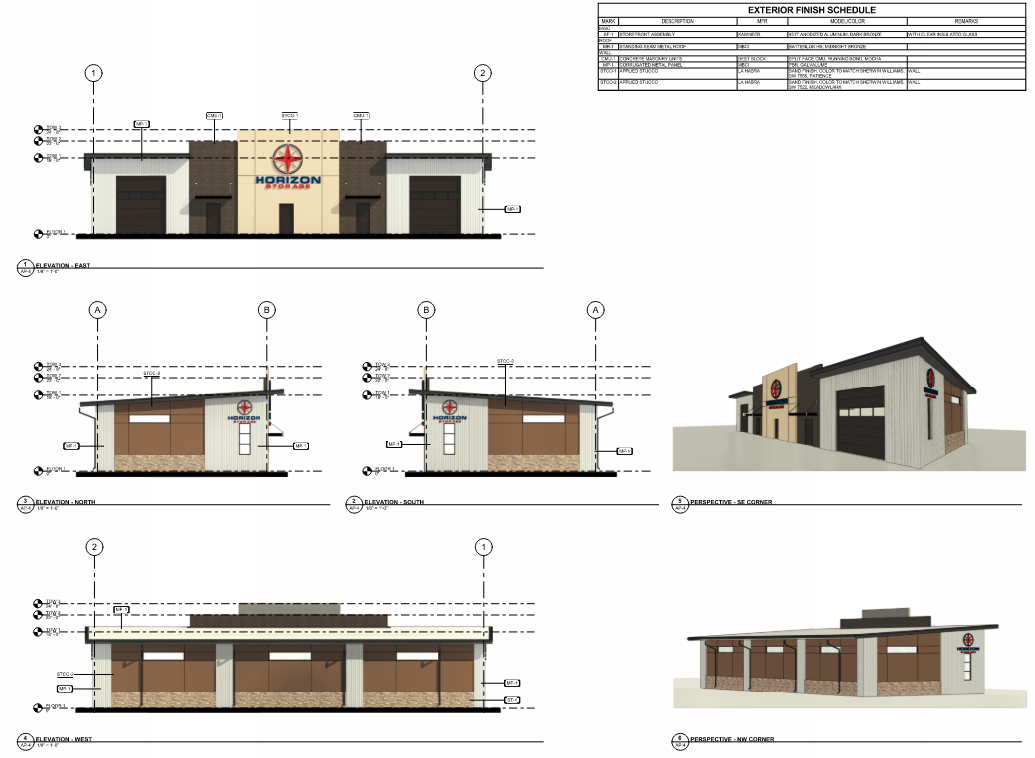
FAVORITE PROJECT: Horizon Carwash & STORAGE

KYLE MAY
BUSINESS DEVELOPMENT
FAVORITE PROJECT: 1000' X 50' CSP
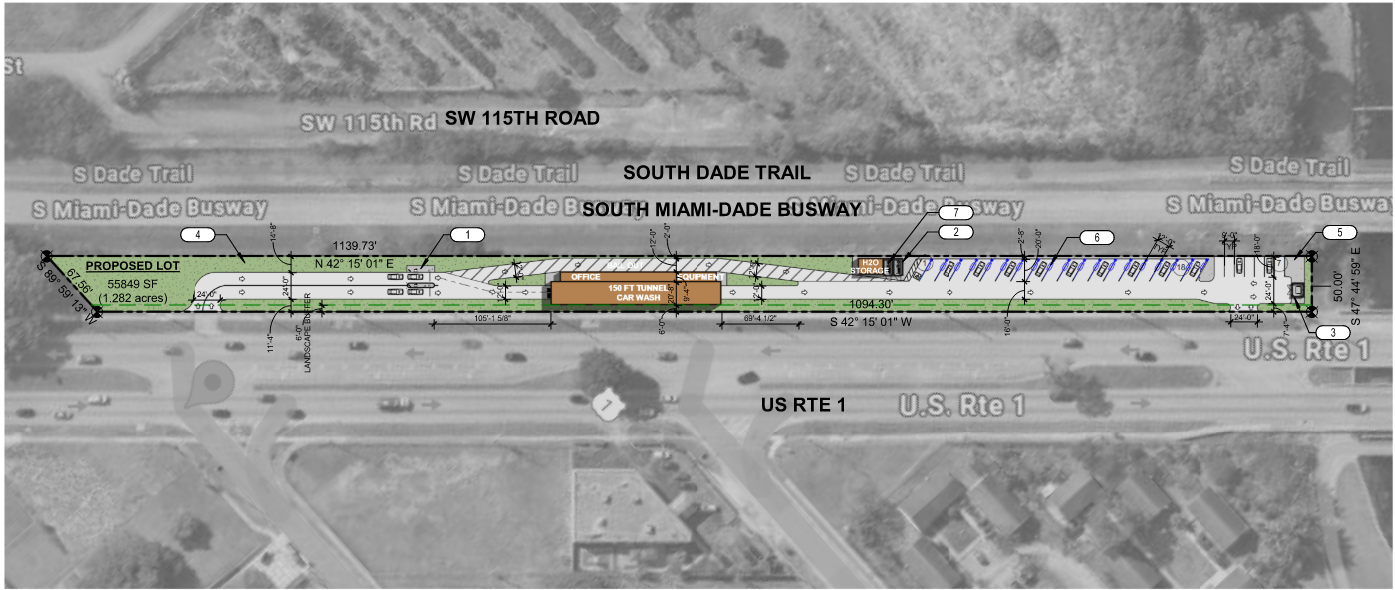
My work leans heavily toward the early stages of development, so I rarely stay with a project once it moves into full design. Instead, I spend most of my time studying land and shaping the first version of a project through conceptual site planning. Because of that, the sites themselves often become the most memorable part of my year. In 2025, the standout was a parcel that measured roughly one thousand feet long and fifty feet wide, created only because a right of way had been vacated. It was the kind of odd, irregular piece of land most developers overlook.
What made the site so interesting was that it had almost no obvious uses. It was too narrow for most commercial programs, too awkward for typical development patterns and too constrained to fit anything conventional. Yet in an unexpected way, it worked surprisingly well for a carwash. There was something satisfying about finding a use that fit so neatly into a piece of land that didn’t seem useful at first glance.
One detail I appreciated most was the placement of the tunnel. With a thousand feet of frontage to work with, the tunnel could have landed anywhere. We chose to anchor it at the end of the main road that led out of a nearby residential subdivision. Every driver stopping at the intersection would have a clear view into the wash process, especially if the building incorporated a full glass wall along the tunnel side. It turned a constraint into a small moment of visibility and marketing.
I have always enjoyed unconventional sites like this. Many people search for the classic one acre rectangle when planning a carwash, but long and narrow parcels can be viable when the conditions line up. They require creativity, patience and a willingness to see value where others might not. I would welcome more sites like this in the future because they challenge the assumptions of what a carwash site is supposed to look like and open the door to unexpected design opportunities.

PHIL WALZ
PROJECT ARCHITECT
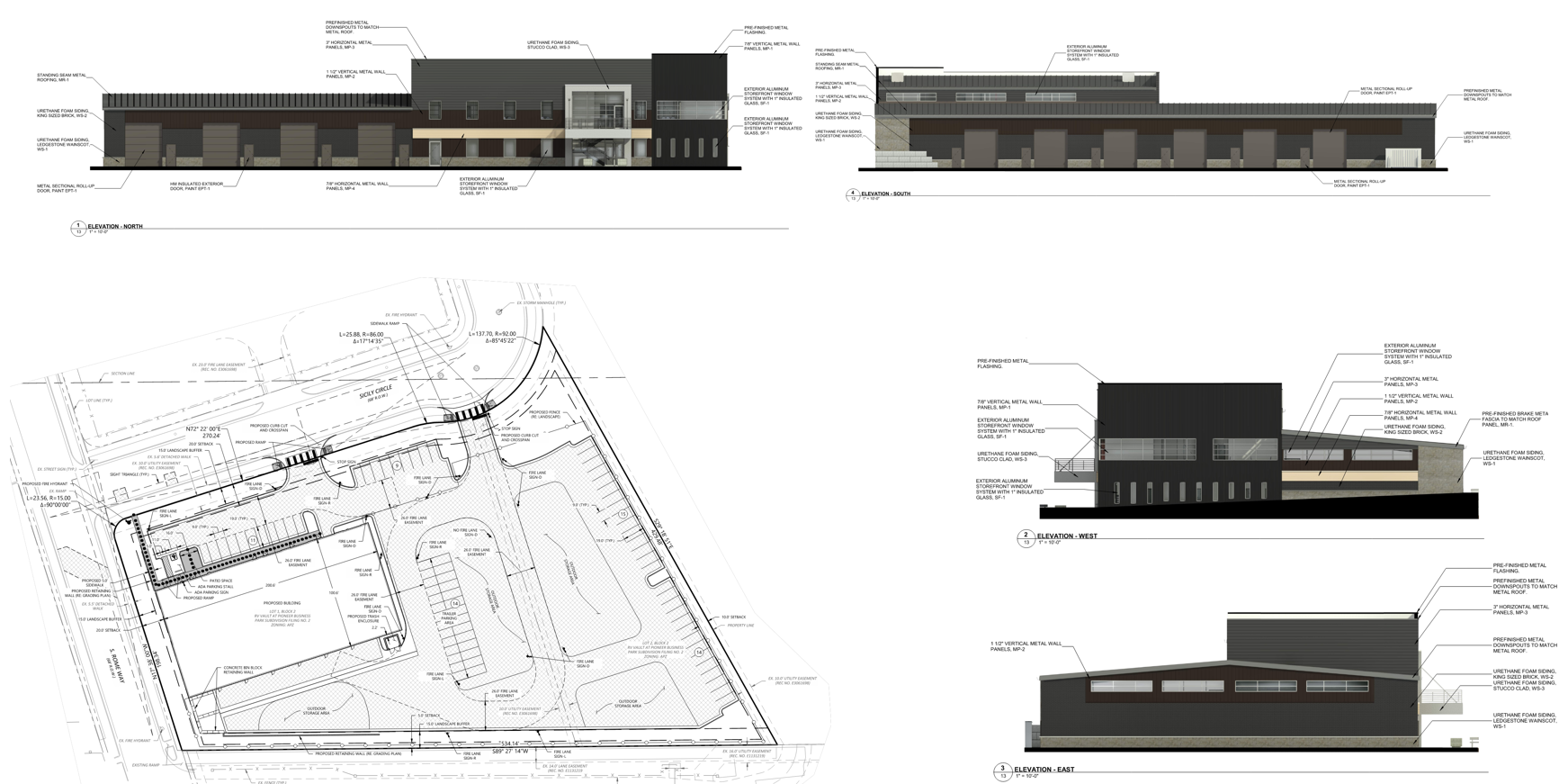
FAVORITE PROJECT: TITAN CONSTRUCTION

CHRISTIAN TIDWELL
PROJECT MANAGER
FAVORITE PROJECT: Sun Day Carwash
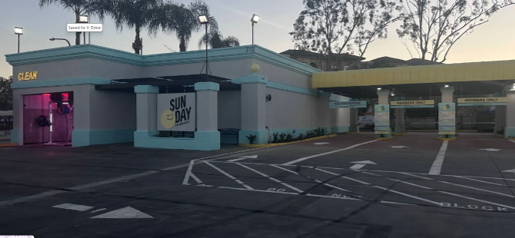
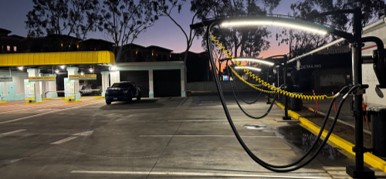
One of the most memorable projects I touched in 2025 was Sun Day West Covina. Sun Day has taken a very different approach to expanding in California. Instead of building new ground up carwash sites, they are buying older, classic properties and renovating them. That decision leaves them with buildings that carry a retro personality you can’t easily manufacture. Instead of erasing that history, they are leaning into it and modernizing it, which creates a blend of old school character and fresh, contemporary design. It is a compelling direction because it preserves something authentic while still delivering an elevated customer experience.
A detail many people might not notice at first is how restrictive these projects can be. California’s planning and zoning thresholds often limit how much of the site we can touch. Once you exceed ten or twenty-five percent of changes, you trigger a full set of reviews that can slow a project down significantly. Because of that, a lot of the work becomes a careful exercise in designing around what already exists. It forces us to think creatively, to fit new ideas into an old framework and to find opportunities within the constraints. It is a different mindset than starting fresh with a blank site plan.
What I appreciate most about this project is the broader idea of adaptive reuse. We do not get many opportunities to explore it in our world, yet it works remarkably well for Sun Day. In many California metros, securing entitlement for a brand new carwash is nearly impossible. Working with older, grandfathered sites is often the only path forward. It comes with challenges because you want to avoid opening the door to additional zoning layers, but those constraints make the work more interesting. There is something rewarding about tying the charm of an old building to a clean, modern aesthetic and watching the two meet in the middle.
Looking back at these projects, what stands out most is how much creativity can come from constraints, unusual sites and bold clients who push us in new directions. Whether we were reimagining retro carwash structures, shaping long and narrow parcels into something functional or exploring designs that broke from convention, 2025 reminded us that great work often comes from unexpected starting points.
The momentum from this year gives us a lot to look forward to in the new year. We expect more adaptive reuse opportunities, more clients willing to take risks and more projects that challenge the typical boundaries of carwash and automotive service design. The industry is changing quickly, and we are excited to keep shaping what the next generation of these facilities can look like. If this year was about exploration, next year will be about building on those ideas with even more clarity and confidence.
Here’s to 2026!